Trying to choose between a condo and a home in Park Shore? You are not alone. This is one of the biggest decisions buyers face in this part of Naples, because both options can offer a beautiful waterfront lifestyle, but they work very differently day to day. If you want clarity on maintenance, privacy, fees, flexibility, and lifestyle fit, this guide will help you sort through the trade-offs and move forward with confidence. Let’s dive in.
Why Park Shore Makes This Decision Unique
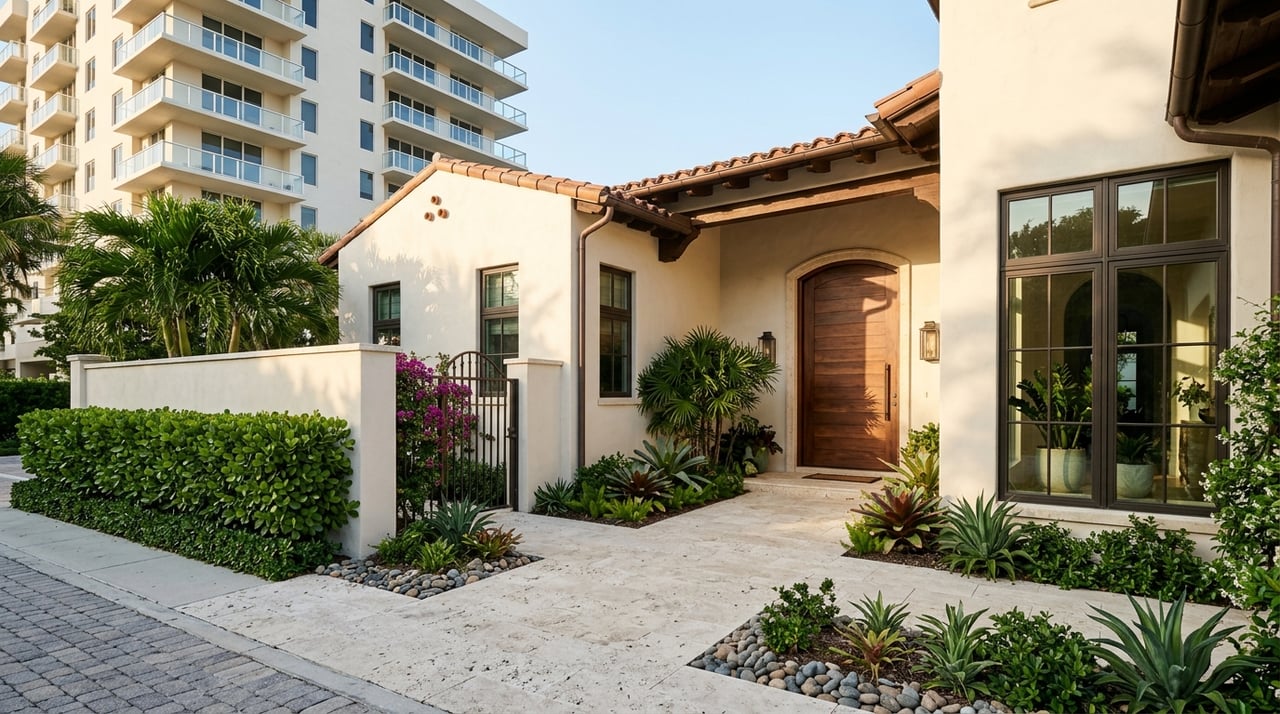
Park Shore is a mixed waterfront neighborhood in Naples, located west of US 41 along the Gulf of Mexico. The neighborhood includes more than 600 single-family homes, 25 high-rise condos, many mid-rise condos, and commercial property. That mix gives you real choices within the same area, rather than forcing you to pick between completely different parts of town.
The lifestyle also varies within the neighborhood itself. Park Shore offers access to both beach-focused and bay-focused living, with Venetian Village on Venetian Bay serving as a shopping and dining anchor. The Park Shore Association also maintains a private beachfront park for members, though access details should always be verified for the specific property you are considering.
That means your decision is usually not about whether Park Shore is the right neighborhood. It is more often about which version of Park Shore fits the way you want to live.
What Condo Living Usually Looks Like
If you are drawn to Gulf views, a more lock-and-leave setup, or a more centralized ownership experience, a condo may feel like the better match. In many Park Shore condo buildings, the association handles common elements and building-level maintenance responsibilities under Florida condominium law. That can reduce the amount of day-to-day exterior upkeep that falls directly on you.
This setup often appeals to second-home buyers and seasonal owners who want to come and go with fewer household responsibilities. It can also be a strong fit if you value being close to the beach corridor and prefer a building environment with shared systems and structured oversight.
At the same time, condo ownership usually comes with more association involvement. Fees, reserve funding, maintenance planning, and possible assessments can all play a bigger role in your ownership costs than they typically would with a single-family home.
Condo Maintenance and Reserve Rules
Florida condominiums are governed by Chapter 718. Under that framework, the association is generally responsible for maintaining common elements, except for any limited common elements assigned to the unit owner by the declaration.
Florida law also requires residential condo associations in buildings that are three stories or higher to complete a structural integrity reserve study at least every 10 years. The study must address items such as the roof, structure, fireproofing, plumbing, electrical systems, waterproofing and exterior painting, and windows and exterior doors, with reserves maintained for items the association is responsible for.
For you as a buyer, this means document review matters. A condo that looks perfect from the balcony can still require a close look at reserves, fees, maintenance responsibilities, and any upcoming projects.
Condo Rules and Property Control
Condo living can involve more limits on what you can change. Florida law gives condo boards authority over hurricane protection specifications, and the declaration determines whether shutters, impact glass, or similar protection are the association’s responsibility or the unit owner’s responsibility.
Material alterations or substantial additions to common elements are also tightly controlled. If the declaration does not set the approval process, 75 percent owner approval is required.
In practical terms, condo ownership can be easier in some ways, but it usually gives you less exterior control. If you like a more managed environment, that may feel reassuring. If you want freedom to make changes more directly, it may feel restrictive.
What Home Ownership Usually Looks Like
A home or villa in Park Shore often offers a different kind of ownership experience. If privacy, outdoor space, storage, or more direct property control matter most to you, a single-family option may be the better fit.
Park Shore homes can align well with buyers who want a bayfront or interior residential setting and more room to shape how they use the property. That may include more flexibility for outdoor living or a stronger fit for a boating-oriented lifestyle, depending on the property.
The trade-off is simple. You usually gain privacy and control, but you also take on more direct responsibility for the residence itself.
How the HOA Structure Differs
The Park Shore Association is a voluntary homeowners association. That is different from condominium governance and creates a different ownership framework for homes and villas.
In HOA communities, common areas and recreational facilities are for parcel owners and their invited guests, and the association may adopt reasonable rules for those shared areas. Even with a lighter structure than a condo association, you still need to follow the subdivision’s covenants and rules.
For many buyers, this creates a more independent ownership feel. You still have community standards, but the experience is often less centralized than in a condo building.
More Space, More Responsibility
With a home, you are often making a conscious choice to manage more yourself. That can include more exterior upkeep, more responsibility for the property’s systems, and more direct decision-making around the residence.
For some buyers, that is exactly the point. If you want more room, more separation from neighbors, and a property that feels distinctly your own, a home may provide the better lifestyle match.
Key Questions to Ask Before You Decide
The best choice usually becomes clearer when you focus on how you want to live, not just what looks best in photos. Start with a few practical questions.
Do You Want Lock-and-Leave Simplicity?
If you expect to travel often, own seasonally, or want less day-to-day property oversight, a condo may be the easier fit. Shared maintenance and building management can make ownership feel more streamlined.
If you plan to spend more time at the property and do not mind more hands-on responsibility, a home may feel more natural.
How Much Privacy Do You Want?
Condos often trade some privacy for convenience, views, and shared amenities. Homes usually offer more separation, more private outdoor areas, and a more independent feel.
Neither is better across the board. It depends on whether your priority is ease or personal space.
How Important Is Outdoor Flexibility?
If your ideal Southwest Florida lifestyle includes expanded outdoor living, storage, or water-oriented use, a home or villa may better support that vision. Park Shore’s bayfront and interior home settings can be especially appealing for buyers who want that flexibility.
If your priorities lean more toward beach access, Gulf views, and a residence that is easier to leave for stretches of time, a condo may check more boxes.
Are You Comfortable With Association Oversight?
This is one of the most important questions. Condo ownership usually comes with more building-level governance, more fee visibility, and more sensitivity to reserves and assessments.
Home ownership in a voluntary HOA setting may feel less structured, but it is not rule-free. You should still review the governing documents carefully before making a decision.
What to Review Property by Property
No matter which direction you are leaning, the documents matter. In Park Shore, the details can vary enough from one property to another that broad assumptions are risky.
Before you buy, review:
- Association fees
- Reserve funding
- Beach access details
- Parking rules or assigned parking
- Renovation permissions
- Hurricane protection responsibilities
- Any transfer rules tied to Park Shore Association membership or amenities
This step is especially important because the Park Shore Association is voluntary and the private beach park is member-only. You should confirm exactly what is included with the specific property you are considering.
A Simple Way to Decide
If you want a more managed, lock-and-leave lifestyle with close proximity to the beach corridor, a Park Shore condo may be the stronger fit. If you want more privacy, more outdoor flexibility, and more direct control over the property, a Park Shore home or villa may suit you better.
The good news is that Park Shore gives you both choices within one of Naples’ most established waterfront neighborhoods. When you look beyond the label of condo or home and focus on how you want your days to feel, the right answer usually becomes much easier to see.
If you are weighing Park Shore condos versus homes and want guidance tailored to your lifestyle, goals, and ownership preferences, Darlene Roddy can help you compare your options with local insight and a calm, personalized approach.
FAQs
What is the main difference between Park Shore condos and homes?
- Park Shore condos usually offer a more association-managed, lock-and-leave ownership experience, while Park Shore homes usually offer more privacy, outdoor flexibility, and direct control over the property.
What should you review before buying a Park Shore condo?
- You should review association fees, reserve funding, maintenance responsibilities, parking, renovation rules, hurricane protection responsibilities, and any upcoming projects or assessments.
What should you verify about Park Shore beach access?
- You should verify whether the specific property includes access tied to Park Shore Association membership, because the association is voluntary and the private beachfront park is member-only.
Why can a Park Shore home feel different from a condo?
- A Park Shore home often provides a more independent ownership experience, with more privacy and flexibility, but it also usually comes with more direct responsibility for upkeep and property decisions.
Is Park Shore a neighborhood with both condos and single-family homes?
- Yes. Park Shore includes more than 600 single-family homes, 25 high-rise condos, many mid-rise condos, and commercial property within the same waterfront neighborhood.
How do Florida condo rules affect Park Shore buyers?
- Florida condominium law affects maintenance responsibility, reserve requirements, and control over certain building decisions, so buyers should pay close attention to a condo association’s documents and financial structure.