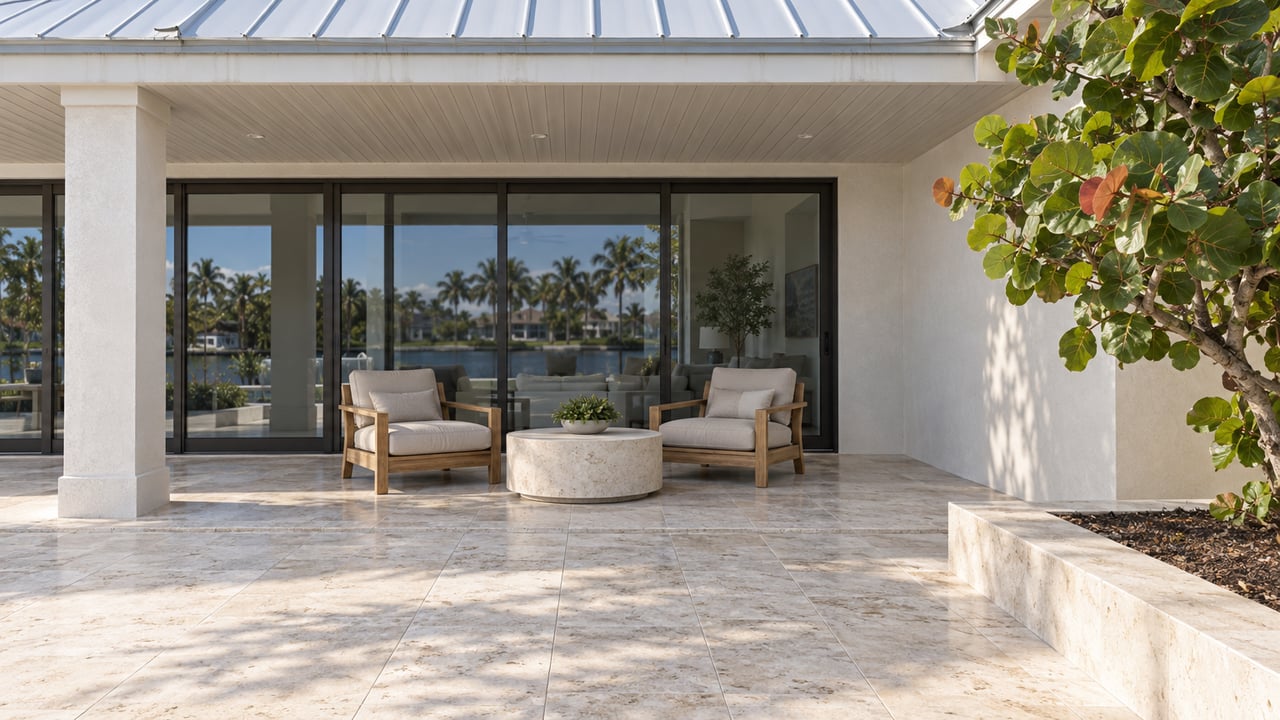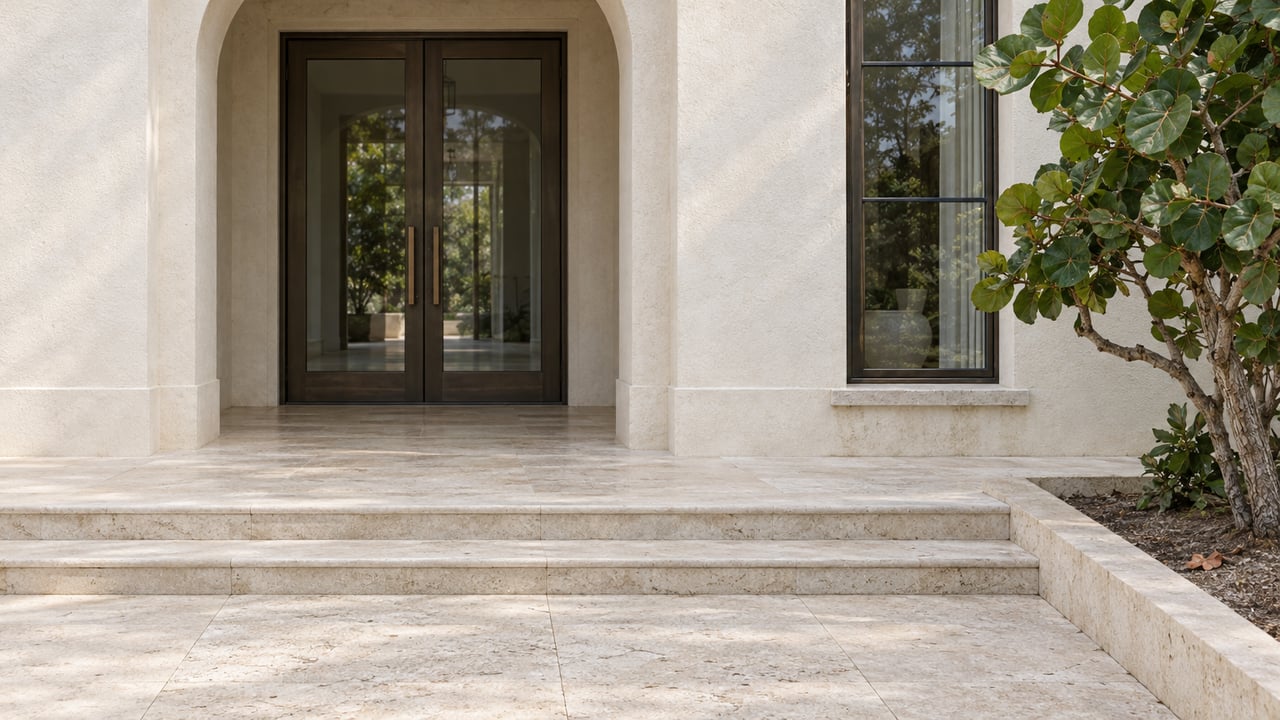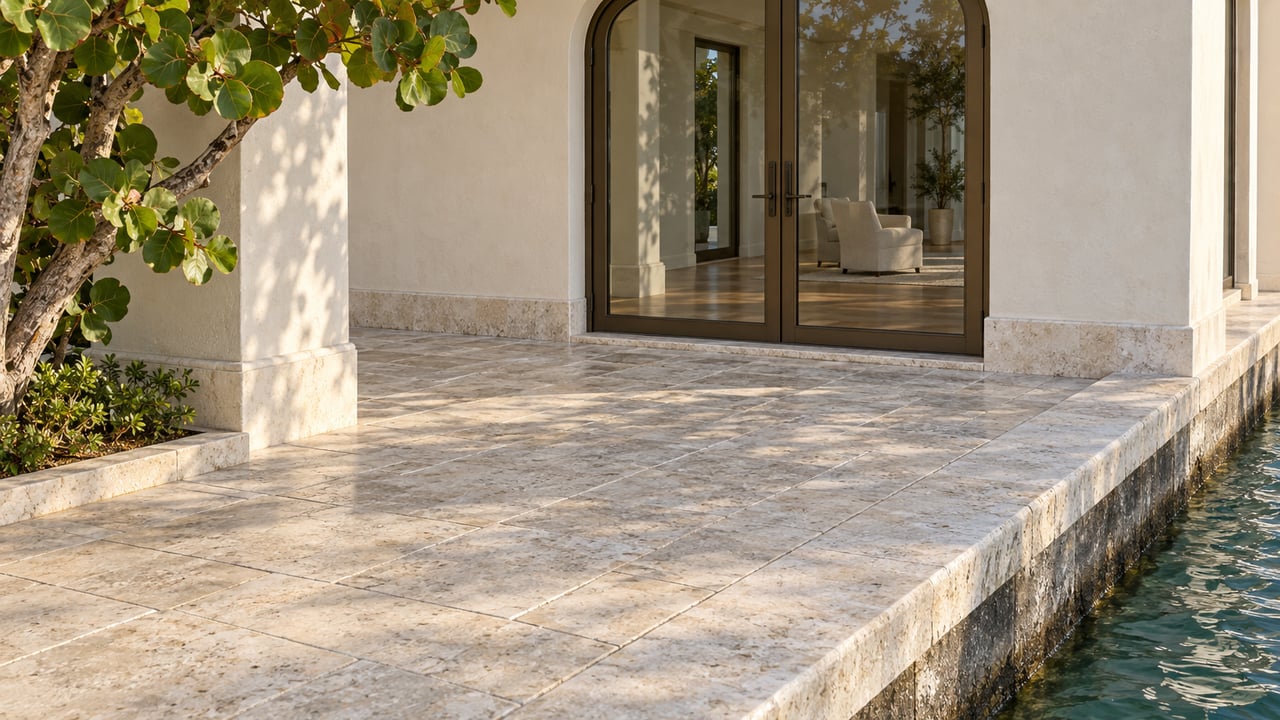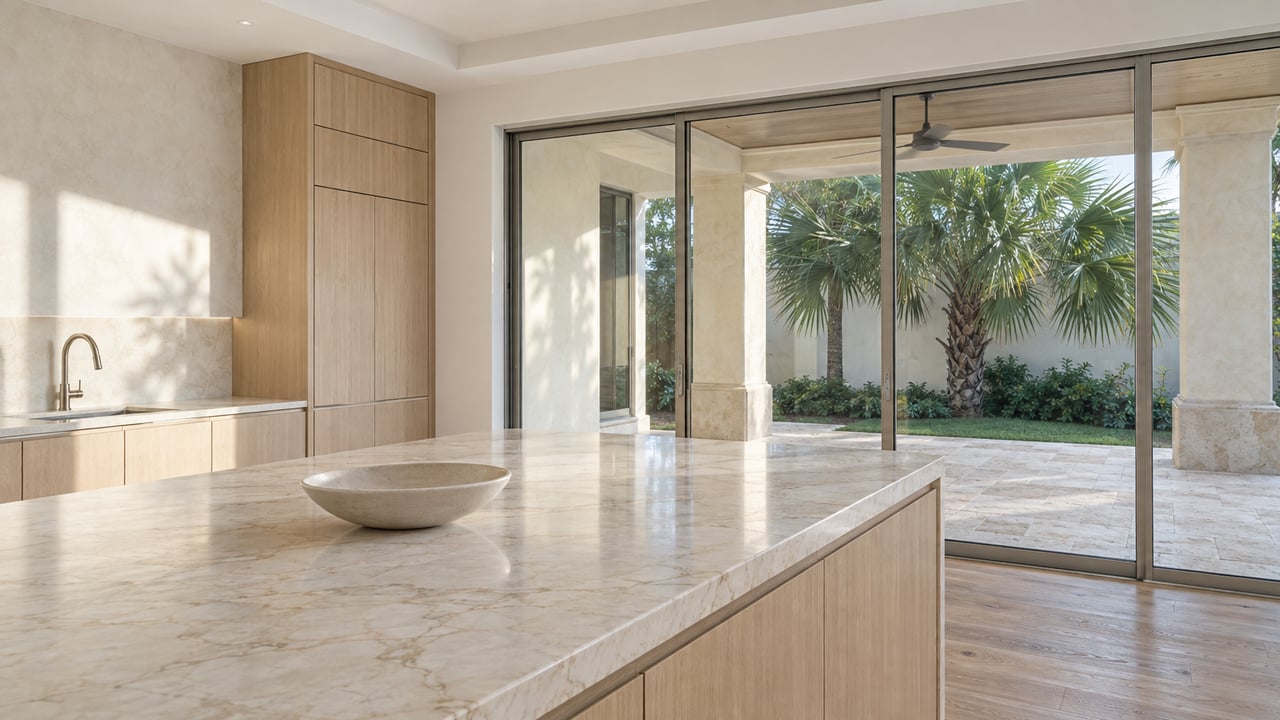
The house that broke Quail West's sales record took its time getting there. 4300 Brynwood Drive closed on April 8, 2026 for $11.3 million, 32 percent above the previous community high of $8.55 million set in September 2023. That's the kind of jump that usually signals a bidding war. But the listing sat on the market for 162 days before it sold. A record price and a five-month wait don't usually belong to the same story. In Quail West, they do, and the reason has less to do with the house than with what comes attached to it.
Quail West caps its golf membership at 525 people. That number hasn't moved in years, and the roster is currently full. Every property owner in the community is required to hold at least a House Membership, but golf access, the reason most buyers are looking at this address in the first place, only comes through one of two paths: wait for a spot to open, or buy a home from a seller willing to relinquish theirs. That structure turns every Quail West listing into two separate transactions layered on top of each other, and it explains a lot about how this market actually moves.
What the house buys, and what the membership buys
Quail West's own membership fee schedule spells out the math. A new Full Golf Membership runs $250,000 in initiation fees plus $24,940 in annual operating dues and $2,000 to $4,000 in capital dues. House Membership, the mandatory baseline for anyone who owns property here, costs $100,000 to join with $13,100 in annual dues. If a seller's Golf Membership is transferable and conveys with the sale, the buyer pays a $25,000 transfer fee instead of a new initiation fee, a tenth of the cost of joining fresh.
That gap is the whole mechanism. A home without a transferable membership doesn't just cost less to acquire. It costs a quarter million dollars more to actually live the way most buyers came here to live, on top of whatever wait currently stands between signing the closing documents and getting a tee time. Agents who track the club closely put that wait somewhere in the neighborhood of a year and a half, though it moves as members relinquish or convert. Buyers who don't want to wait, and don't want to pay full initiation, are effectively shopping for a specific subset of Quail West inventory: the homes where a membership comes along for the ride.
That subset is smaller than the total number of homes for sale, which means it behaves like a tighter market even when the broader Quail West market doesn't. A trophy estate without a conveying membership has to clear a higher bar to justify its price, because the buyer is pricing in a wait or a six-figure initiation fee on top of the purchase. A comparable home with a transferable membership skips that friction entirely. Two houses can look identical on paper and sell at meaningfully different paces for a reason that never shows up in the listing photos.
The record sale wasn't a fluke, but the wait wasn't either
The Business Observer's coverage of the Brynwood Drive sale placed it inside a broader trend rather than treating it as an outlier. Naples Area Board of Realtors data for the 12 months ending February 2026 showed closings at $5 million and above up 17 percent citywide, while inventory in that price band contracted 21 percent over the same window. Quail West itself saw 40 closed sales in that period, an 18 percent increase year over year, totaling $172.3 million in volume. Prices are rising across the top of the Naples market at the same time the number of available homes is shrinking. That's the backdrop the Brynwood record sits inside.
But a rising market doesn't erase the membership bottleneck, it runs alongside it. A seller with a transferable membership to offer is negotiating from a stronger position than one without, and that gap likely widens as the golf roster stays capped and demand for the community keeps climbing. The 162-day marketing period for the record sale isn't evidence against the trend. It's evidence that even a showpiece estate has to find the right buyer, one who values the property enough to look past whatever membership situation came with it, or one willing to make the case for a full initiation on top of an eight-figure purchase.
Quail West's own recent sales activity backs this up in aggregate terms. In 2025, 36 single-family homes sold in the community at an average price of $4,447,185, or roughly $920 per square foot, on homes averaging 4,917 square feet. The median sale price over the trailing 12 months sits at $4,150,000. Those are healthy numbers for a community with no condominiums and a housing stock capped at 576 estate homes and 84 villas. They also sit well below the Brynwood record, which is exactly what you'd expect if that sale reflects the top of a rising curve rather than a market that has simply relocated to $11 million.
Why the cap isn't going anywhere
Quail West operates as a debt-free, member-owned community with no Community Development District bond debt layered onto county property taxes. The clubhouse, golf courses, and other shared facilities belong to the members through the Quail West Foundation rather than to an outside developer financing amenities through a bond-backed district. That governance structure matters here because it means the people who benefit most from a capped golf roster, the members who get easy tee times and an uncrowded course, are also the people who vote on whether to expand it. There's little incentive inside that structure to loosen the cap just because outside demand for membership keeps rising.
The club has also been reinvesting rather than deferring maintenance, which supports the case for keeping things as they are. The Preserve Course completed a bunker renovation in the summer of 2025 and a tee renovation in the summer of 2026, following the broader $43 million clubhouse and course renovation completed in 2017. A club that just finished a multi-year capital cycle has less financial pressure to change its membership model to generate new initiation revenue. The facilities are current, the roster is full, and the waitlist is the release valve, not the cap itself.
For a buyer comparing Quail West against other North Naples golf communities, this changes the question worth asking. The headline number to chase isn't the median sale price or even the record. It's whether a specific listing carries a transferable membership, what tier it is, and how that changes the real cost of moving in and playing golf the following season. Two homes at the same asking price can represent very different total costs once that detail gets factored in, and it rarely shows up until an agent asks the seller directly.
Does every home in Quail West come with a golf membership? No. Every property owner is required to carry at least a House Membership, but Full Golf access depends on whether a seller has one to relinquish or whether a buyer joins the waitlist and pays a new initiation fee when a spot opens.
Is there a way to access golf without buying a home with a membership attached? Buyers without a conveying membership can enter the Golf-in-Waiting category, which carries House Membership privileges plus expanded off-season golf access while a Full Golf spot opens up through the club's documented conversion path.
Does the membership cap ever change? Quail West's golf roster has held at 525 members for an extended period. Because the club is member-owned and debt-free, decisions about expanding that cap rest with the membership itself rather than with a developer looking to generate new sales.
Numbers like these are easy to find on a spec sheet and hard to weigh without someone who has sat across the table from a Quail West seller before. If you're comparing this community against others in North Naples, or trying to figure out what a specific listing's membership status actually means for your total cost of ownership, Darlene Roddy can walk through the membership math alongside the real estate itself before you write an offer.
This article is general information, not legal, tax or financial advice. Consult a qualified professional about your situation.